01Guides · 9 min read
Storing and carrying medicines away from the bathroom cabinet
A damp cabinet can weaken a prescription before its printed date. A closet shelf and a zipped bag fix most of that.
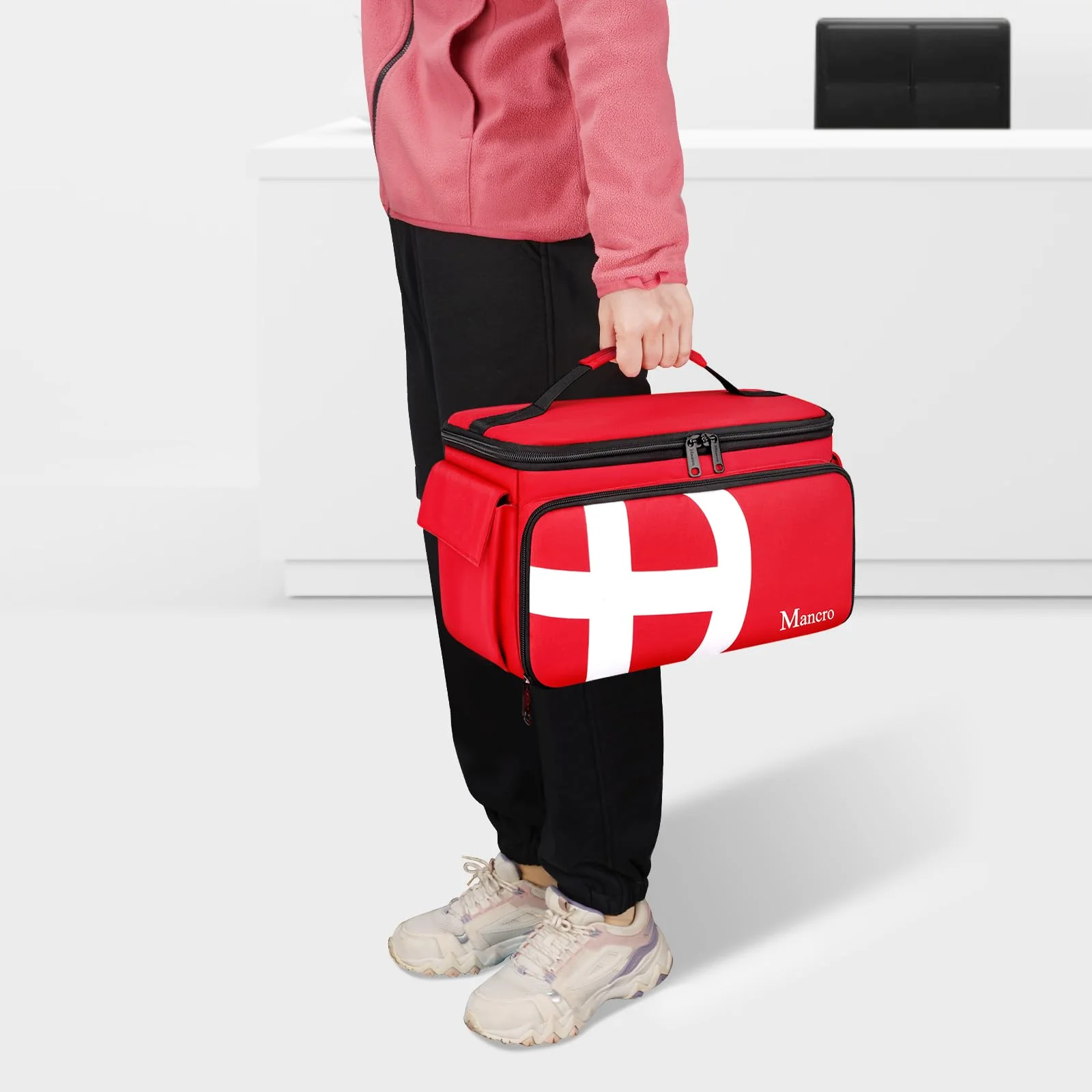
A medicine bag organizes what a pharmacist dispensed. It does not change what the label says, and nothing on this site is medical advice. Two things are worth taking from the national guidance. First, storage: a damp bathroom cabinet can weaken a medicine before its expiry date, and the advice for most medicines is a cool, dry place away from a sink and away from hot appliances, which is the case a soft bag can make and a car glovebox cannot. Second, children: about thirty-five thousand young children a year reach an emergency room after getting into medicine that was within reach, and the national campaign asks specifically that medicines carried in bags, purses and pill organizers be kept out of sight and reach as well. A lockable zip helps with the second point. It is not a substitute for putting the bag up high.
Why the bathroom cabinet is the worst shelf in the house
The bathroom cabinet sits exactly where heat and moisture meet, twice a day, every day. None of this is medical advice: the label on the bottle outranks every sentence here. Steam from a shower lifts the humidity in that room for half an hour at a time. That repeated cycling of damp then dry air matters. The federal drug regulator warns that improper storage such as a damp bathroom cabinet can reduce a medicine’s effectiveness before its printed expiry date.
You may not see change on a single day. Over weeks and months small chemical shifts can add up. You store pills and liquids in their original containers. Those containers are designed for a particular environment, usually a cool, dry place. If you keep them on a shelf beside the sink you expose them to splashes and to quick temperature swings every time the hot water runs. A hot shower heats the room and boosts humidity.
The next hour the room cools. That pattern repeats every day. For many common medicines the regulator suggests alternatives like a dresser drawer, a storage box, a closet shelf, or a kitchen cabinet away from the sink and hot appliances. In a kitchen that last condition matters. Cooking and dishwashing create heat and humidity cycles similar to a bathroom. You do not want your prescriptions near a stove or coffee maker. Labels matter. Some medicines must be refrigerated.
Others must not be exposed to high temperatures. The label decides. A bathroom cabinet feels private and convenient. It is not the right environment for most medicines if you want them to keep their stated potency through the printed expiry date.
What a cool, dry place actually means in a real home
A cool, dry place is a practical spot you can visit without finding steam or heat every time. Think of a dresser drawer, a shelf in a linen closet, or a small box tucked into a hall cabinet away from the sink. The federal drug regulator lists those places as suitable examples for most medicines. You will still want to avoid locations that get direct sun through a window. Sunlight and solar heat add thermal stress.
Kitchens can work if the medicine is kept well away from the sink and from hot appliances. Storing prescriptions on top of a refrigerator is a common mistake. The top of a fridge gets warm when the appliance runs. A closet shelf behind clothing is often better. Put medicines in their original containers whenever possible. The child-resistant cap and the manufacturer’s label are important. You will sometimes carry doses with you. For short trips one small bag in a drawer makes sense.
For longer travel keep a log book with dates and dosages in the same storage box, so you do not need to open multiple containers when planning. Some medicines require refrigeration. The label tells you that. If you keep temperature-sensitive items in a household fridge, place them in a stable interior shelf and avoid the door where temperatures change most. A thermometer in a medicine box can be useful if you often worry about heat in your storage area. Small measures like that help keep medicines performing as labeled.
Measuring before you buy a box of loops
Before you buy an organizer, measure what you carry. Lay out the bottles, the boxes, and the log book you use most often. Our organizer has two layers, with three large elastic loops about 2.3 inches across and six smaller ones. The lid closes on about five inches of bottle height. The lower layer fits boxes and a log book. Zip pulls are drilled for a padlock that is not included. Those numbers matter because not every bottle and not every blister pack is the same size.
If you pick items that are taller than five inches they will not sit upright without pressure on the zipper. That pressure can push the zip teeth apart and make the bag harder to close. You want the elastic loops to hold bottles snugly. Measure bottle diameter against the 2.3 inch large loops, or compare with one of your current pill bottles. Smaller loops suit narrow tubes and syringes. Place thicker boxes in the lower layer so the lid does not have to compress them.
A log book fits flat in the lower tray and keeps notes separate from loose pills. Think about bulk and about the shape of what you carry. A bottle with a wide base and short neck behaves differently in transit to a tall, thin bottle. Count how many items you usually pack for a weekend away. Leave room for an extra container for unexpected needs. If you travel with large liquid medications, plan space for the separate screening tray at airport security. Careful measuring at home saves fumbling at the gate.
Children, visitors, and what a zip lock is and is not
Keep medicines out of sight and reach. The national child-safety campaign notes that roughly 35,000 young children a year are brought to an emergency room after getting into medicines left within reach. That campaign asks that medicines carried in purses, bags, pockets and pill organizers be kept out of sight and reach as well. A zipped bag is a step forward. A zip alone does not act as a child-resistant container. A zipper keeps things together and prevents spills.
It does not prevent a curious hand from opening it. A padlock can add security because the bag’s zip pulls are drilled for one, but padlocks are not included and they are no replacement for child-resistant caps or the original container for medication. Keep medicines in their original child-resistant containers until the moment they are taken. That original container includes safety features the packaging industry designs for accidental access prevention. You and visitors should be briefed.
Tell grandparents, babysitters and overnight guests where medicines are stored. Place the medicine bag high and behind other items if space allows. When you carry a small organizer in a day bag tuck it into an inner pocket and keep that bag away from floors and low tables. If a toddler visits often, consider storing portable medicines in a locked drawer or a dedicated high shelf. The goal is simple. Make access inconvenient for a child and obvious to an adult.
Airport security, in the order it happens
Airport security rules allow medically necessary liquids and creams above 3.4 ounces in carry-ons. Those items come out of the bag to be screened separately from everything else. Labelling the medication clearly is recommended to make screening quicker. Start at home by placing large liquids in the lower layer of the organizer so the security officer can remove them quickly without rummaging. Keep the log book accessible as well. At the checkpoint you will be asked to place medications, along with other medical devices, in a separate bin for X-ray.
Tell the officer you have medication that needs separate screening. If a nurse or screener asks about contents, show the original bottle label or a prescription label. You will save time. Pack small syringes or injectable supplies in the same section so they are grouped. Pills travel best in the blister card or the bottle they came in, where the label names them. If you carry a padlock on the zip pulls, plan to open it. Security staff need to inspect the contents directly.
Expect to remove all liquid medications from their bag for separate screening. Keep an inventory list in the bag so you can present what you carry without emptying everything. That list helps if items need to be inspected more closely. Finally, replace items in the organizer in the same order they were removed. Pocketing a single bottle during the stress of travel is how things go missing.
The car: the one place a medicine bag should not live
Do not leave medicines in the car. Heat in a parked car builds quickly. Sunlight through windows concentrates warmth in a small area. The federal drug regulator advises that some medications must not be exposed to high temperatures. The label decides which ones. You might think a glove compartment is shaded and safe. It is not consistently cool. Temperature swings in a car are frequent and unpredictable. For the occasional drive carry a small organizer with just the doses you need for the trip.
Keep that organizer with you while you are in the car. If you must stop, take it inside. Leaving a larger medicine bag in the trunk or under a seat invites heat exposure and theft. Cars are also frequently accessed by visitors and children. The national child-safety campaign recommends keeping medicines out of sight and reach even when they are carried in bags and purses. If you ever transport controlled or high-value prescription products, avoid leaving them unattended in vehicles.
On long road trips plan stops at places where you can retrieve medicines and store them inside climate-controlled spaces. When you step out for a coffee or a walk do not leave the bag visible in the car. Small habits prevent both degradation of medicine and accidental access by children or strangers. We pack and travel with medicines often. Keep the bags with you, not in the car.
catalog runs to 65 pieces, and all of the Mancro team is refreshed on one schedule.
One more thing
Every size, color and capacity in the Mancro lineup sits behind this button.